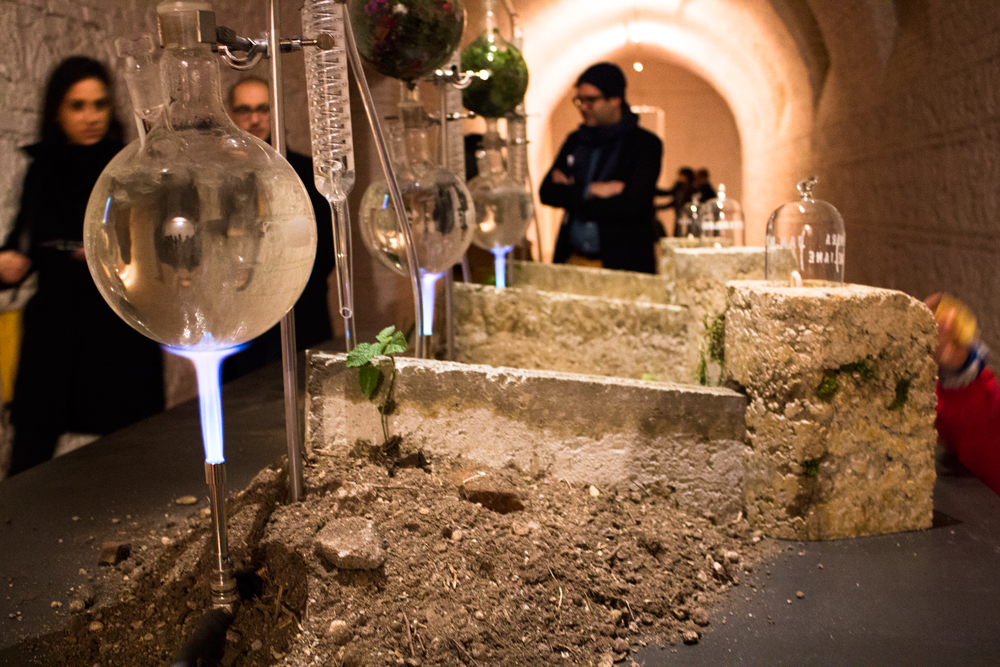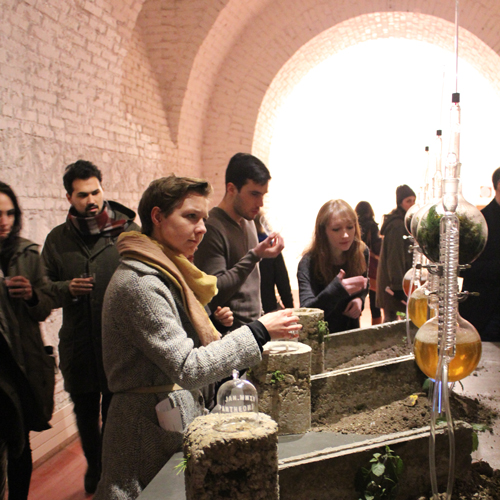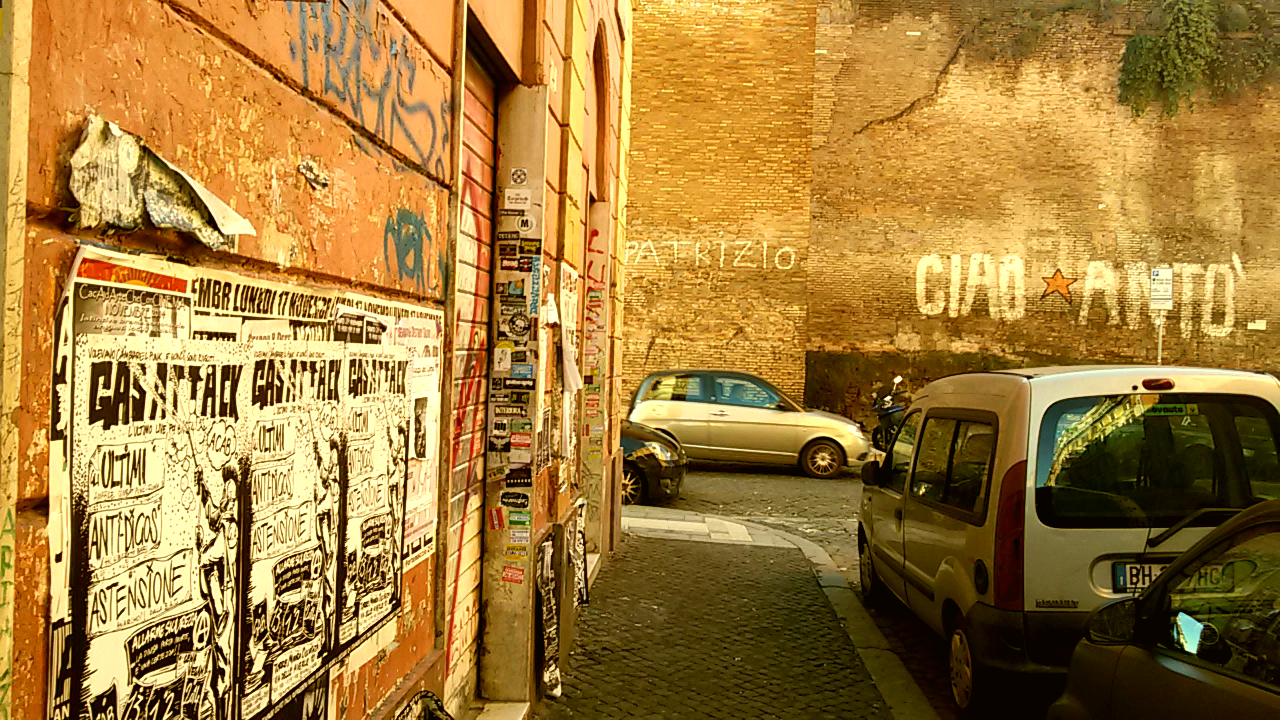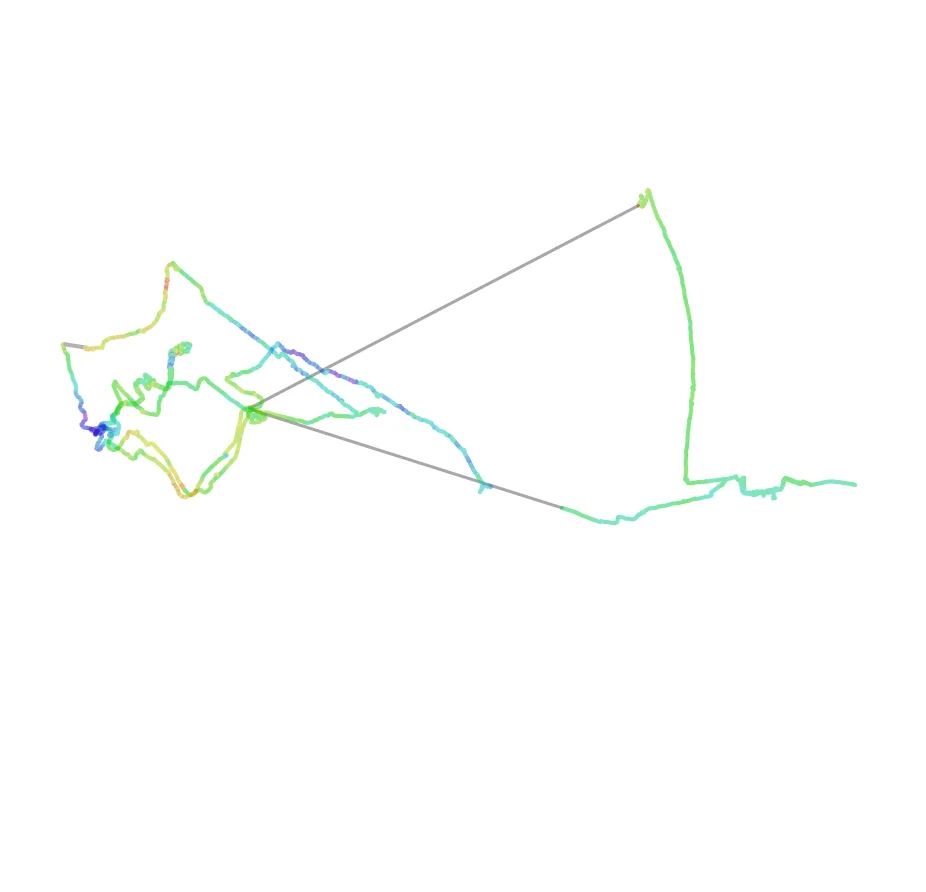
Commonstudio co-founders Kim and Daniel will participate in a conversational excursion to the post-industrial periphery of Rome on the morning of March 24th, 2016. Building on valuable historical perspectives from Lindsay Harris (current Mellon Professor at the American Academy in Rome), we will use the districts of Prenestino and Centocelle as a fitting lens to discuss issues of historical and contemporary migration and settlement within Rome from both a social and botanical perspective. We will also visit and discuss our recent collaborative landscape intervention at the Museum of The Other And The Elsewhere (MAAM) as a case study examining how marginalized people, plants, and places find ways to survive, thrive, and build resilience against all odds.
To celebrate the dawn of a new year, we wanted to take a moment to reflect on a past project that is near to our hearts.
“Abject Object”, which began in 2009, was an early attempt to develop series of products and workshops that were focused on creating pathways to skills, income, and a creative outlet for homeless women in the notorious Skid Row district of Los Angeles. It was co-developed in partnership with the amazing folks of the Downtown Women’s Center, and an equally amazing, diverse and ever-evolving roster of design volunteers. We met every Sunday for five years, volunteering our time from the craft rooms or windowless basements of the DWC’s old building on Los Angeles street.
It wasn’t always easy, glamorous or even fun, but it provided a crash course in the often messy intricacies of working directly with community stakeholders, and attempting to bring a sustaining social enterprise to life. In 2009, Project H volunteer Jenny Liang helped produce a brief video that shows a glimpse into the process.
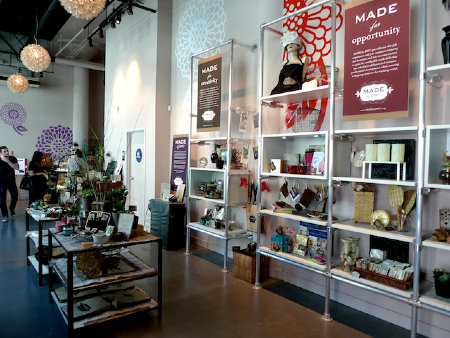
Perhaps the most powerful and enduring aspect of these efforts were not the individual projects and products as we originally assumed, but the workshop and engagement model that continues in some form to this day. Five years after we began the initiative, the DWC is celebrating the success of Made—a brick-and-mortar social enterprise located at its new building on San Pedro street in Downtown.
Made provides a public face to the organization and an opportunity to broadcast it's mission of hope and resilience. It’s a place to stop in for a coffee and check out a range of handmade goods, some of which are still produced in on-site workshops with the women of the DWC.
We are excited to share some field notes from initial stages of a collaborative tactical landscape intervention we are calling The Metropoliz Future Forest, developed in an ongoing creative partnership between Commonstudio (Kim Karlsrud and Daniel Phillips) and Flash Atoye (Firat Erdim and Olivia Valentine), with support from the American Academy in Rome.
Our weekly studio panorama #theviewat2
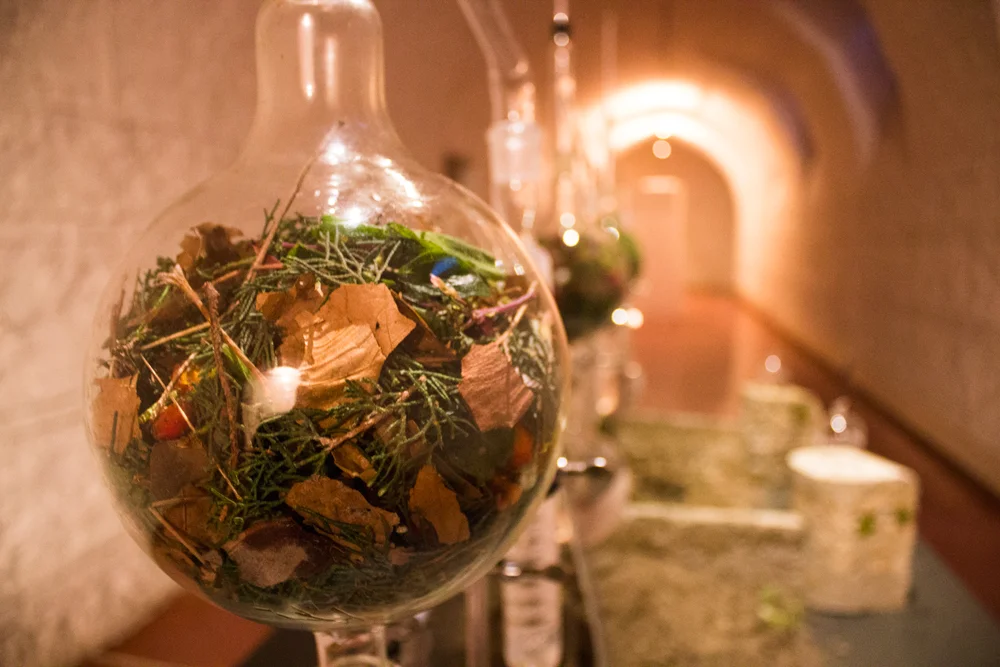
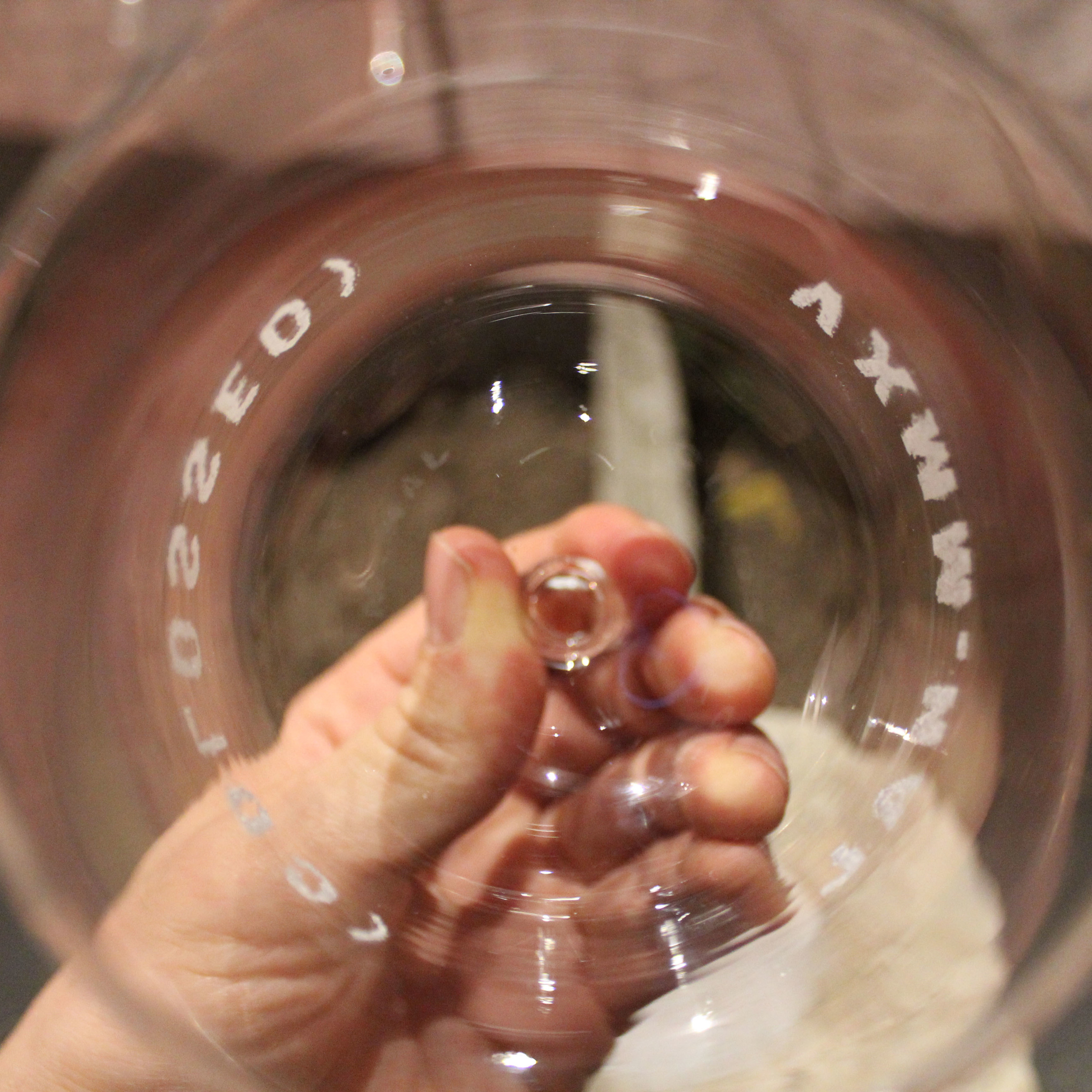
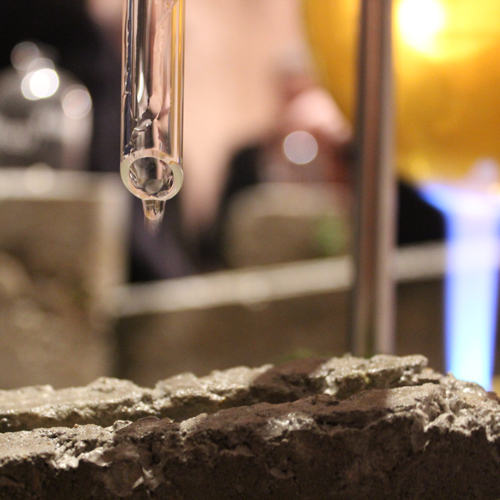
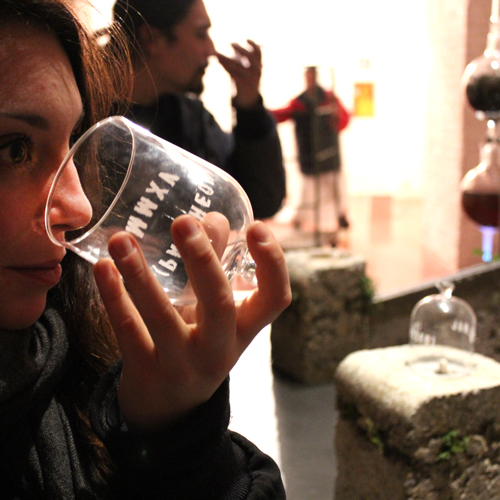
Commonstudio's "A-Roma" installation re-interprets ancient Rome through a contemporary lens by distilling the scents of the living urban ecologies growing on top of, in between, and alongside historic sites.
It was created for the annual "Cinque Mostre" at the AAR, celebrating the work of the current Rome Prize designers and artists, and will be on display until February 29th.
Read and see more on the project HERE
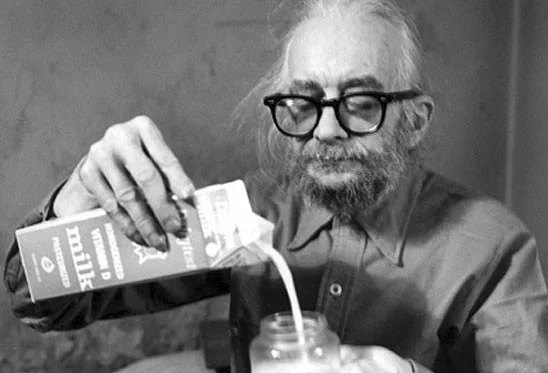
With an opening reception from 6-9pm on January 29th, Cinque Mostre 2015 is an annual exhibition of work by current Rome Prize Fellows. This year it includes Fellow-curated collaborative projects and a guest-curated project by Ilaria Marotta and Andrea Baccin of Cura. in which Fellows in several disciplines and invited artists take part in a multi-faceted exhibition, Milk Revolution, installed in various sites throughout the McKim, Mead & White Building.
Commonstudio will be contributing an installation entitled "A Roma" exploring Rome's iconic sites and monuments through alternative narratives that reflect our interests in urban ecology.
Commonstudio Founders Daniel Phillips and Kim Karlsrud will be part of a public lecture celebrating the 150th anniversary of George Perkins Marsh, a seminal writer and thinker on issues of humankind's relationship to the planet. The lecture will take place at the Villa Aurelia in Rome from 7:00 to 9:30pm on Tuesday December 2nd. Daniel and Kim will contextualize the work of Commonstudio in to climate change and the future of cities.
#naptime
There’s a certain satisfaction to getting lost in a new city. Or your own city for that matter. The vague exhilaration of stumbling across an undiscovered gem of a restaurant, or finding a hidden staircase on your walk home. If you relate to this feeling, chances are you’ve participated in a particular kind of urban wandering often referred to as a "Dérive."
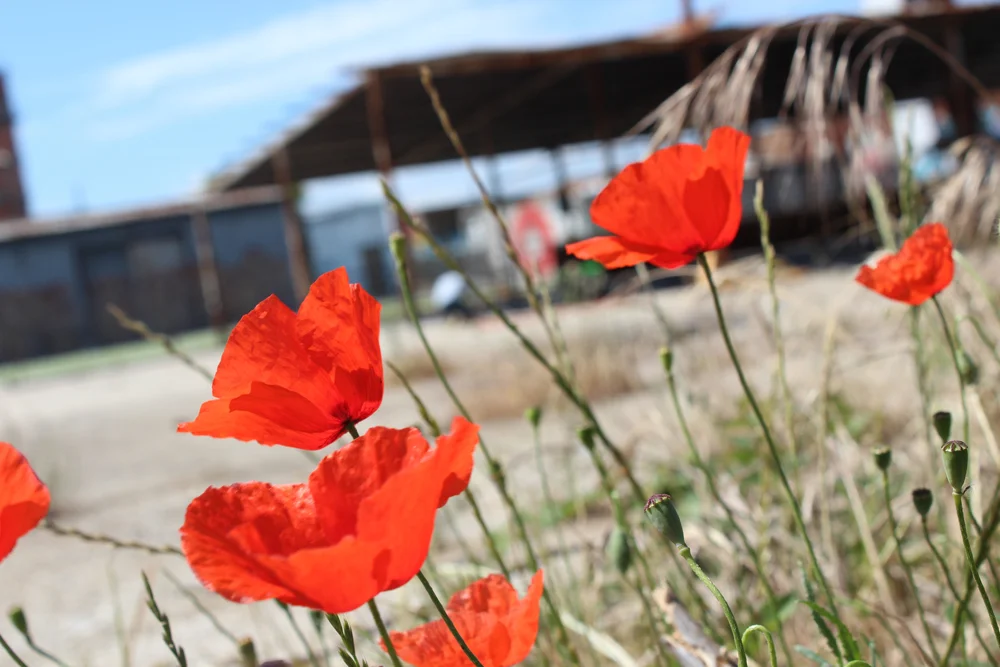
Rome is a city steeped in many layers of meaning and history. One interesting layer to us of course is the emergent ecologies that have insinuated themselves into the urban context. Some of the weeds we're finding are unique to this region of the Mediterranean, and some are common weeds that crop up in many cities around the world. We'll be checking in here periodically to document some of our urban finds. Below are a few from this week:
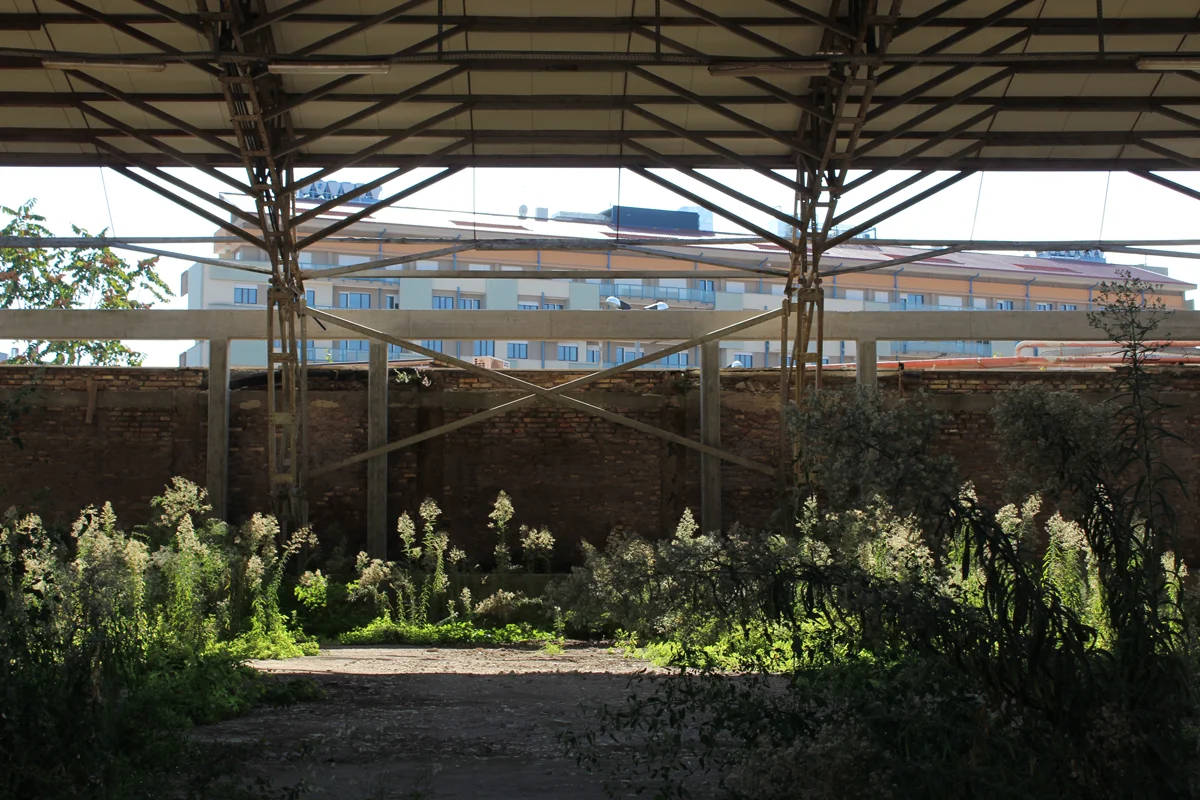
Tall Fleabane (Conyza Sumatrensis)- A common urban weed throughout temperate regions of the world. It seems to thrive in disturbed areas like this abandoned pavilion. Each plant can produce up to 300,000 seeds, which are dispersed by the wind to far flung reaches of the urban landscape.
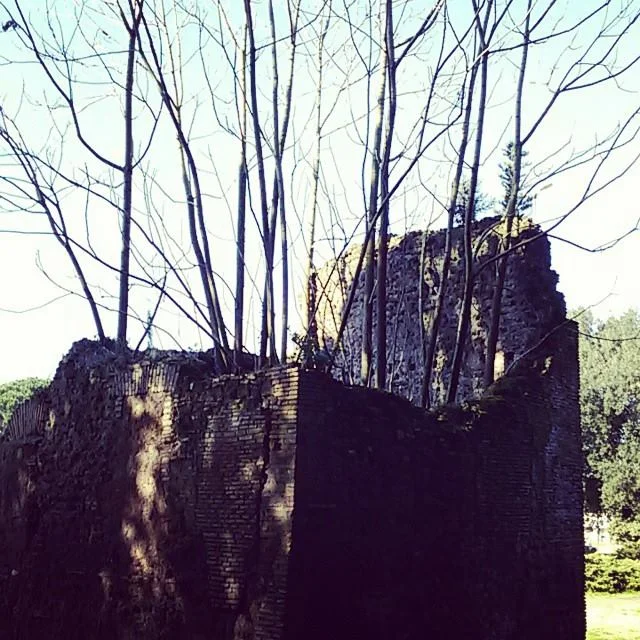
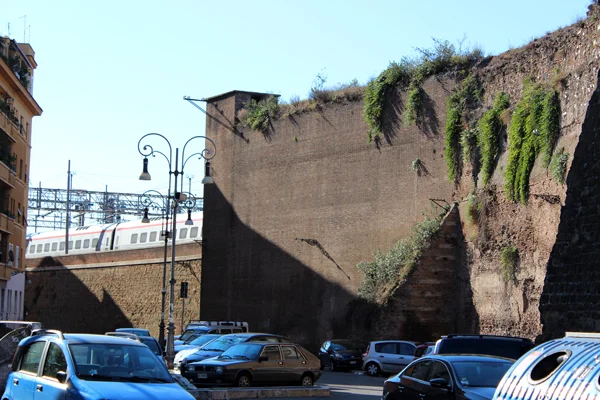
The Aurelian Wall built between 271 AD and 275 AD is still intricately woven within the fabric of Rome. Many areas of the wall have been colonized by opportunistic plants such as the ones you see here. These are actually edible capers (Capparis Spinoza).
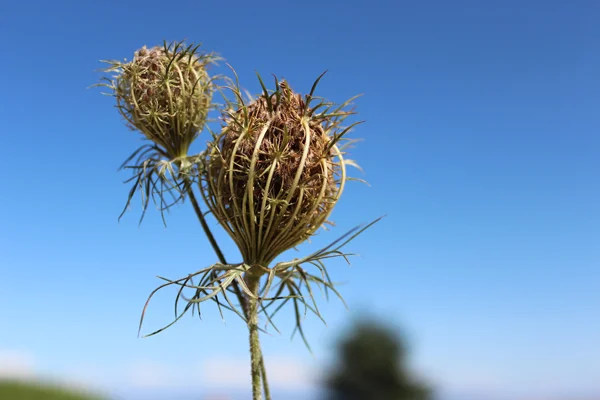
Wlld Carrot (Daucus Carota), in it's final stage of life. The white flowers give rise to beautifully architectural seed heads which hold hundreds of new recruits. Each seed is equipped with a velcro-like set of stiffly hooked hairs ready to attach themselves onto the fur (or clothes) unsuspecting passers-by.