

Commonstudio founders Daniel and Kim were honored to participate in ATREE's "Annual Work Seminar." We had a chance to present the current stage of our ongoing collaborative work with Dr. Priyanka Jamwal. As was the case throughout the last year of applied research It was refreshing and exciting to be surrounded by such great scientific thinkers who help us push beyond our blind spots as designers.

![AWS_Proceedings_2017[15240] 1.jpg](https://images.squarespace-cdn.com/content/v1/528a7be4e4b08fd3acec9867/1507348205114-2UTXEFNXF4P0J9EGATTN/AWS_Proceedings_2017%5B15240%5D+1.jpg)

We are honored to have been awarded a microgrant from the Awesome Foundation (link to our project on their website, click HERE.
The $1000 Awesome Without Borders microgrant will contribute to the implimentation of a small scale intervention for the STRAINS system (currently in development with our Indian partner organizations). The intervention comprises of a designed structure which contains roughly 15 cubic meters of terracotta fragments. Terracotta is abundantly available and our preliminary research shows that it promotes the growth of biofilm, settles sediments, and reduces harmful pathogen content from black and greywater. The intervention will employ these fragments as a passive filtration material and substrate for the growth of spontaneous wetland plants over time. Working together, these systems will help lower the concentrations of harmful contaminants flowing through the watershed.
The Nallah we have chosen for the intervention is upstream of Sowl Lake in Bangalore’s southeastern periphery. Sowl is a perfect context as it is currently in the process of being revitalized and contains a series of preliminary filtration mechanisms. Our Strains unit will work in tandem with these other efforts already underway.
Funding will help purchase raw materials necessary to implement a small scale “proof of concept." Luckily, $1000 stretches much farther in the Indian context and will allow us to procure roughly 6 times more materials than if we were working in the US or EU. Demonstrating success at Sowl will help us garner more funding and support to scale this idea strategically throughout Bangalore and beyond. The goal is not commercial viability but open-source empowerment.


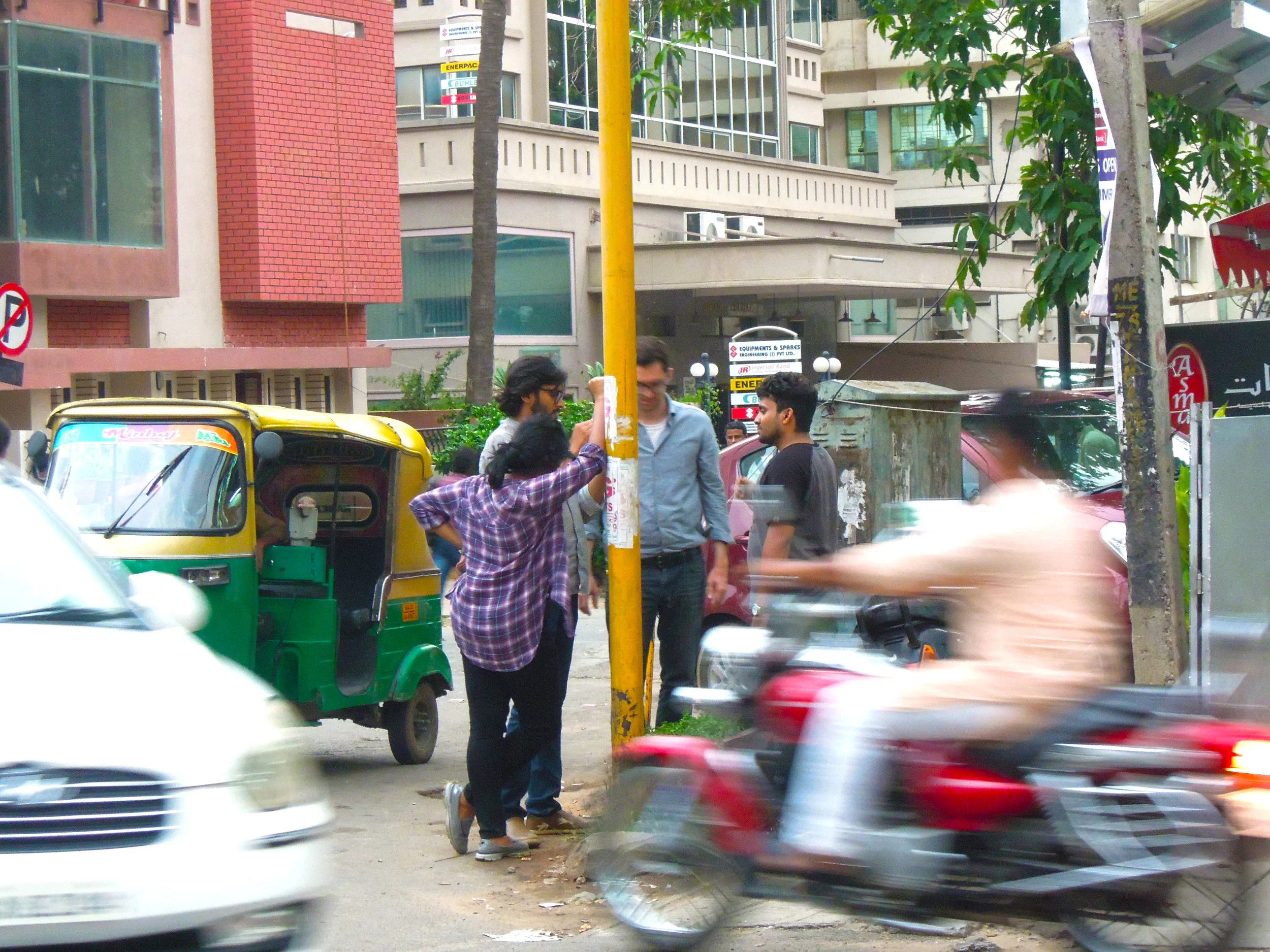
Probing the urban wilds of Bangalore with a local team of citizen scientists in search of the hidden behaviors and virtues of spontaneous vegetation.

Taking a closer look at the feral urban ecologies that thrive in India's "Garden City."
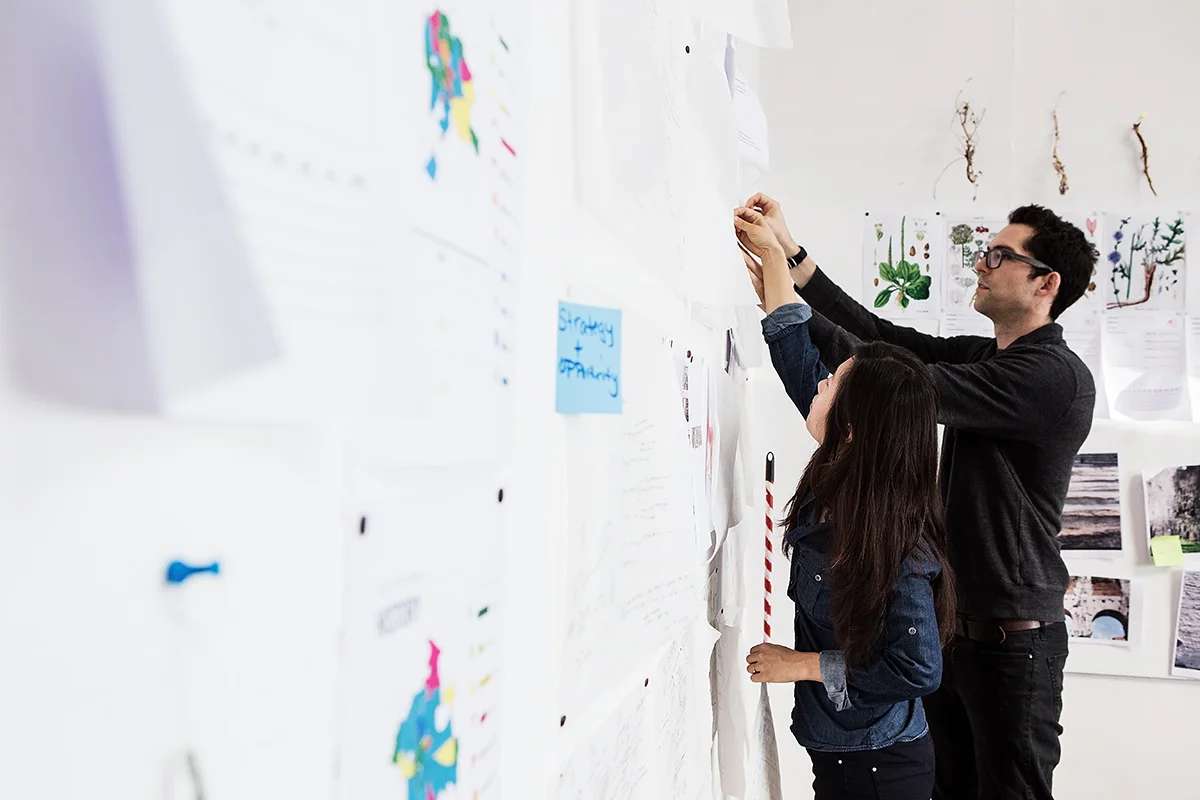
Let it Grow is a platform that facilitates entrepreneurs, urban idealists, and artists in bringing their green innovations to life, with a specific focus on plant and seed-based projects. We were honored to be featured in their latest interview series, where we discuss our process, the limits of tactical urbanism, and our current work in India.

Later this year, Daniel and Kim will head to San Francisco to immerse ourselves in a month of residency at Headlands Center for the Arts.

Cities have always been subject to the forces of ruination. Buildings, monuments, and infrastructures built with the pretense of permanence, inevitably succumb to the shifting fates of disinvestment, abandonment and transition. How should we look at these spaces as citizens, as designers, planners, and ecologists? What’s going on within them and why does it matter?
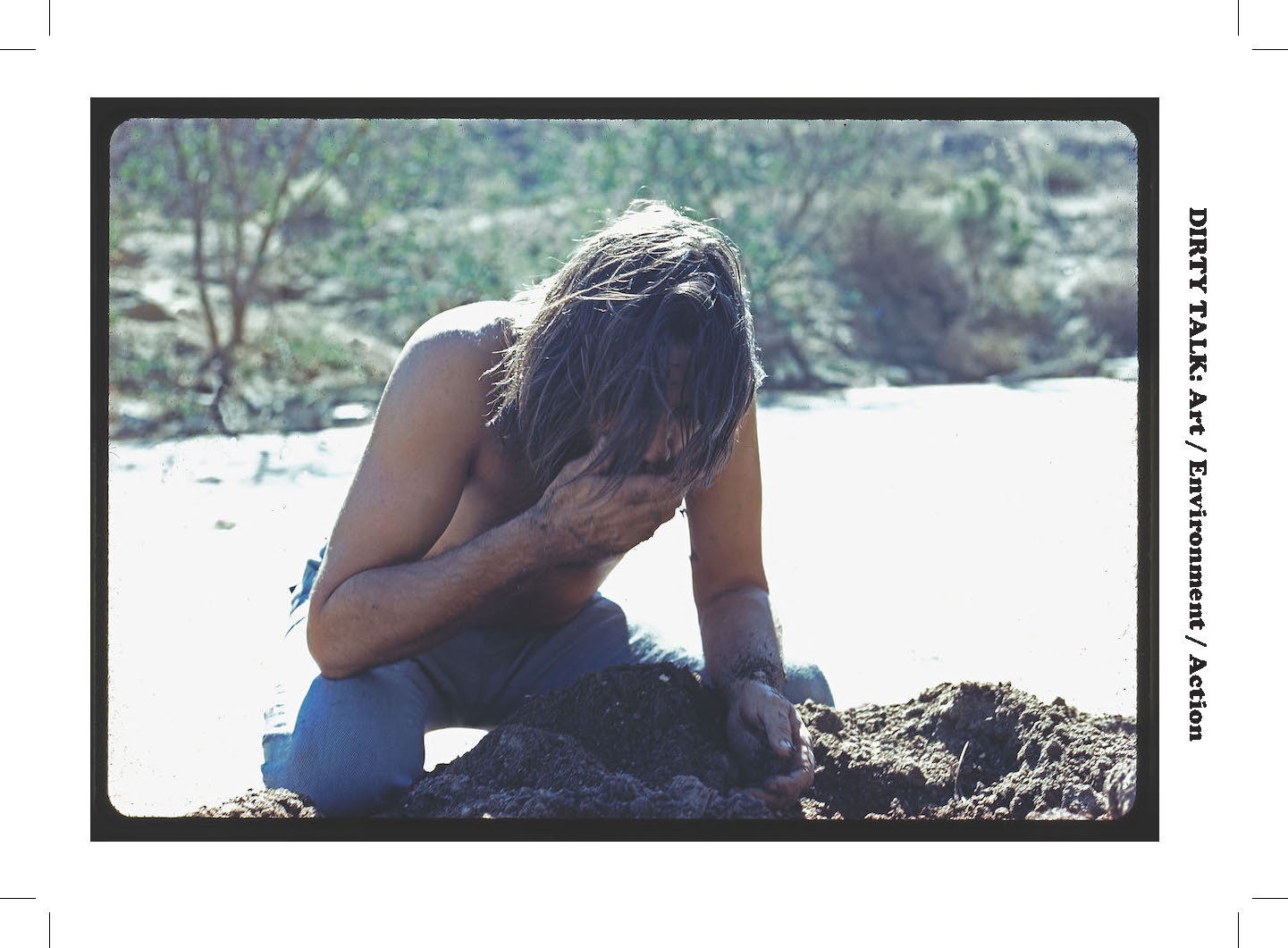
A group exhibition that explores how art and design can stimulate public awareness of urgent ecological issues through soil regeneration, re-conceptualizing land use, and activating under-utilized green spaces in Los Angeles.
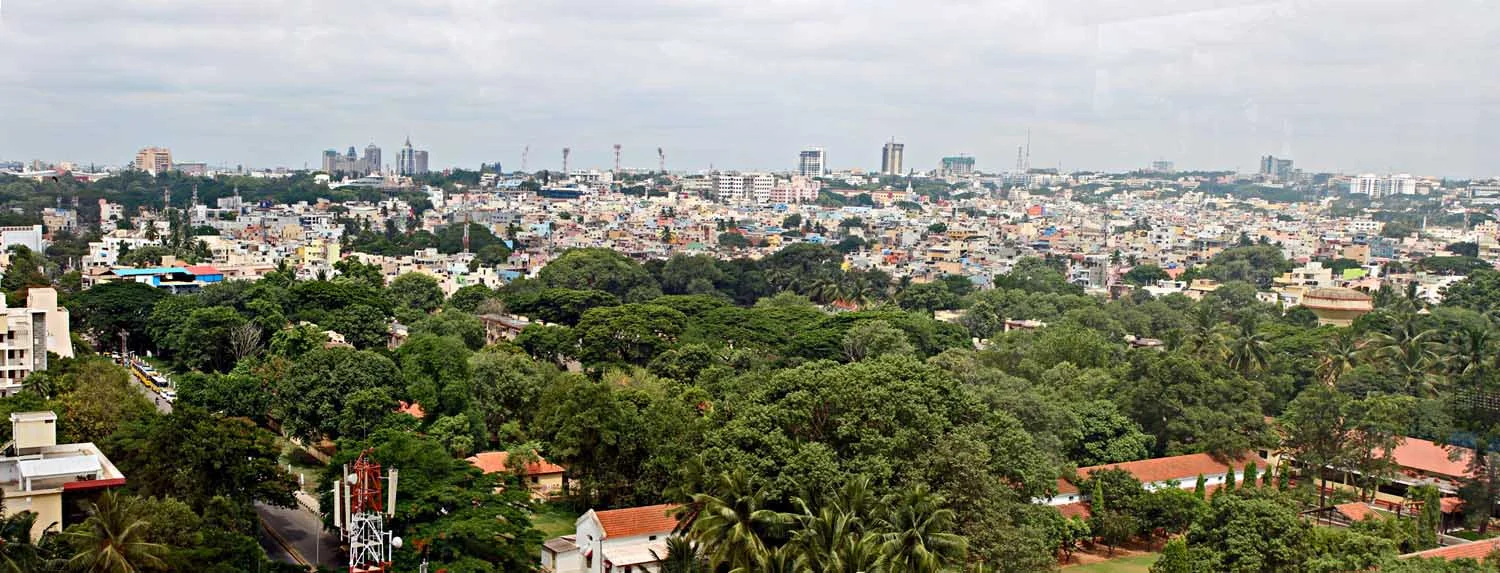
Commonstudio is Bangalore bound! Well, almost. Fuelled by a 2016/17 Fulbright-Nehru research grant from the United States-India Education Fund (USIEF), we're thrilled to have the opportunity to put down some temporary roots in India, beginning in October of 2016.
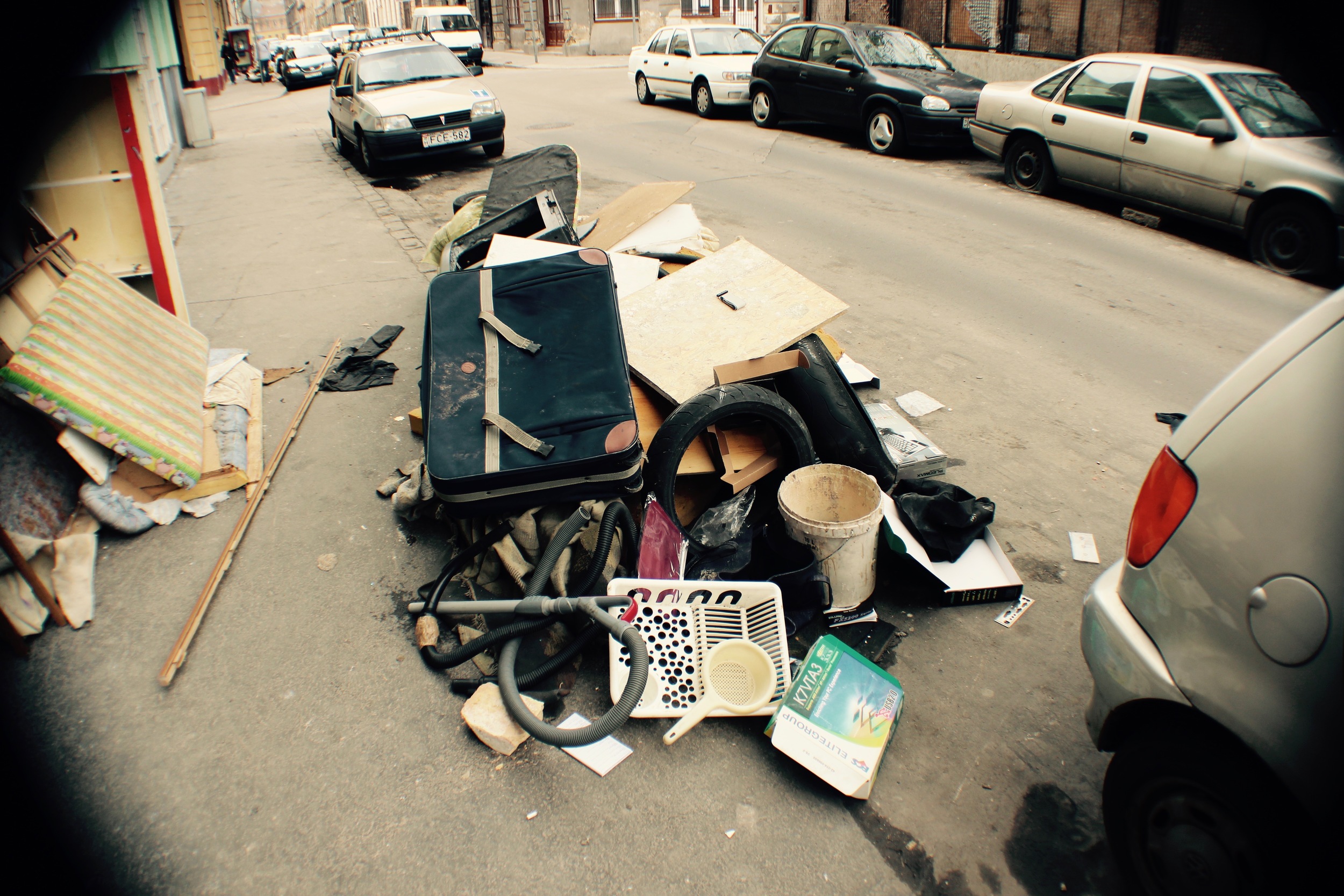
Twice a year in Budapest, the streets explode into a curious and colorful profusion of unwanted stuff. What follows is a brief photo essay exploring the "Lomtalanítás" as it occurred in the 8th district from March 6-11, 2016.
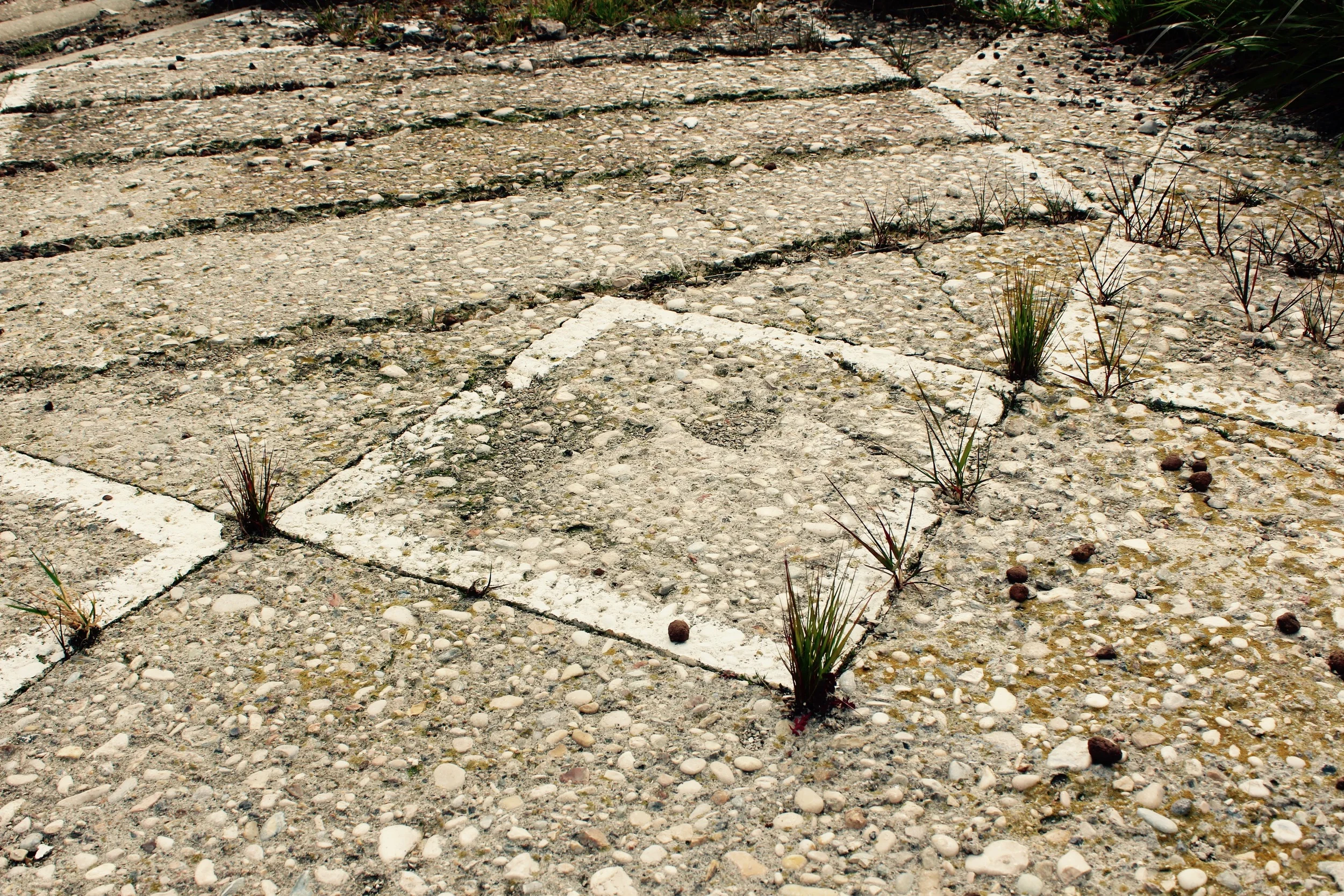
Last week marked our first visit to the Metropoliz Future Forest site since our assisted migration efforts in the fall of 2015. We were honored to co-lead a group of visiting scholars, artists, and designers from the American Academy in Rome for a “Walk & Talk” which focused on the many signs of life and friction that exist in the contemporary fringes of the “eternal city.”