
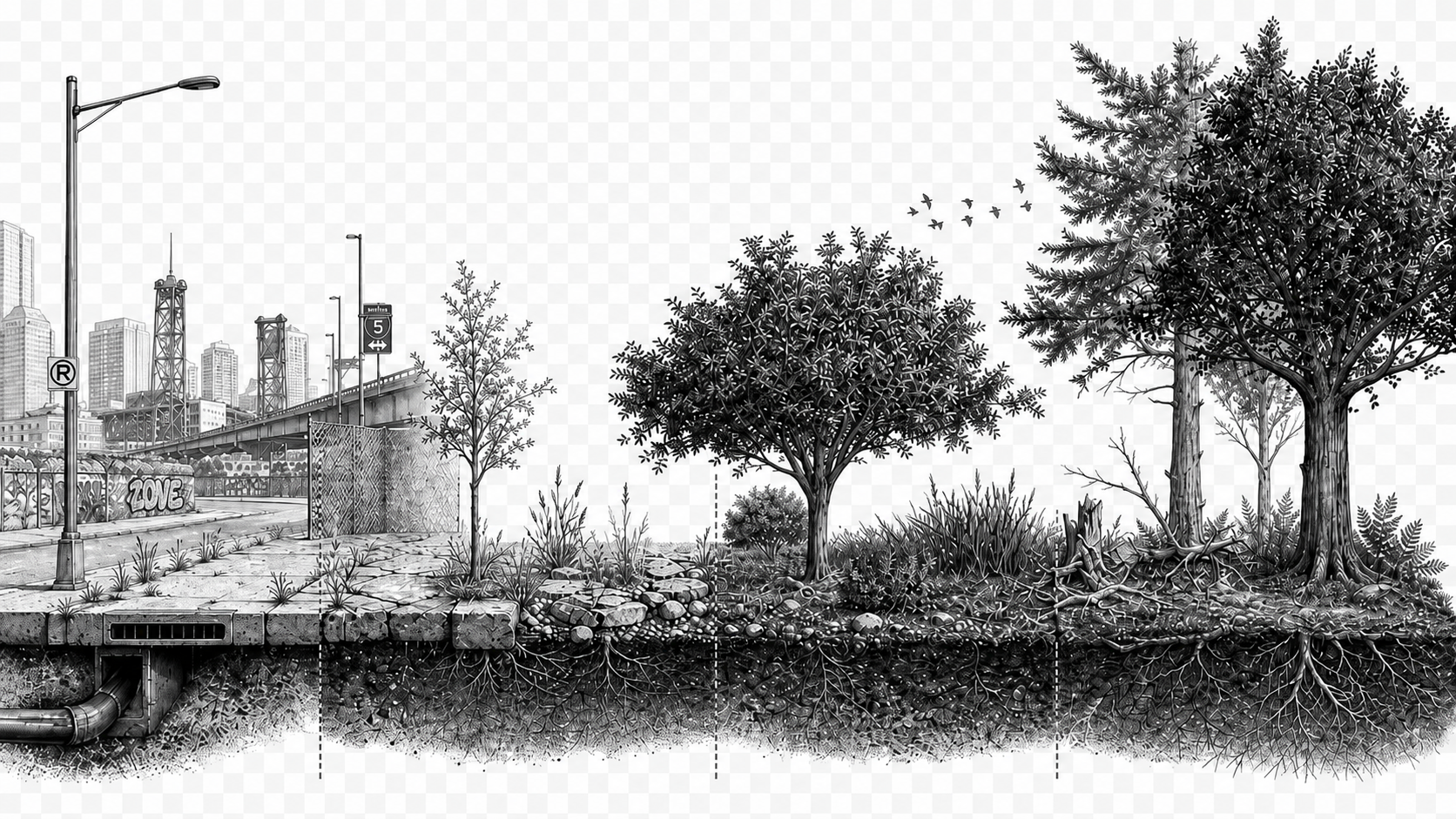
Post Wild Pod explores the future of “nature” on a rapidly urbanizing planet.
Hosted by Daniel Phillips, PhD, with student guest hosts from University of Oregon (formerly Texas Tech), the podcast examines novel ecosystems, urban ecology, spontaneous vegetation, landscape architecture, conservation, and the cultural stories that shape how we value the more-than-human world. Through interviews with leading thinkers in practice, academia, ecology, and design, PWP asks what it means to live, design, and care in a post-wild world. New episodes drop sporadically. Follow the podcast on Spotify so we don’t lose each other!
The Latest Episode:
ep06: Defiant Gardens Revisited: Lessons on Cultivating Resilience in Times of War with Kenneth Helphand
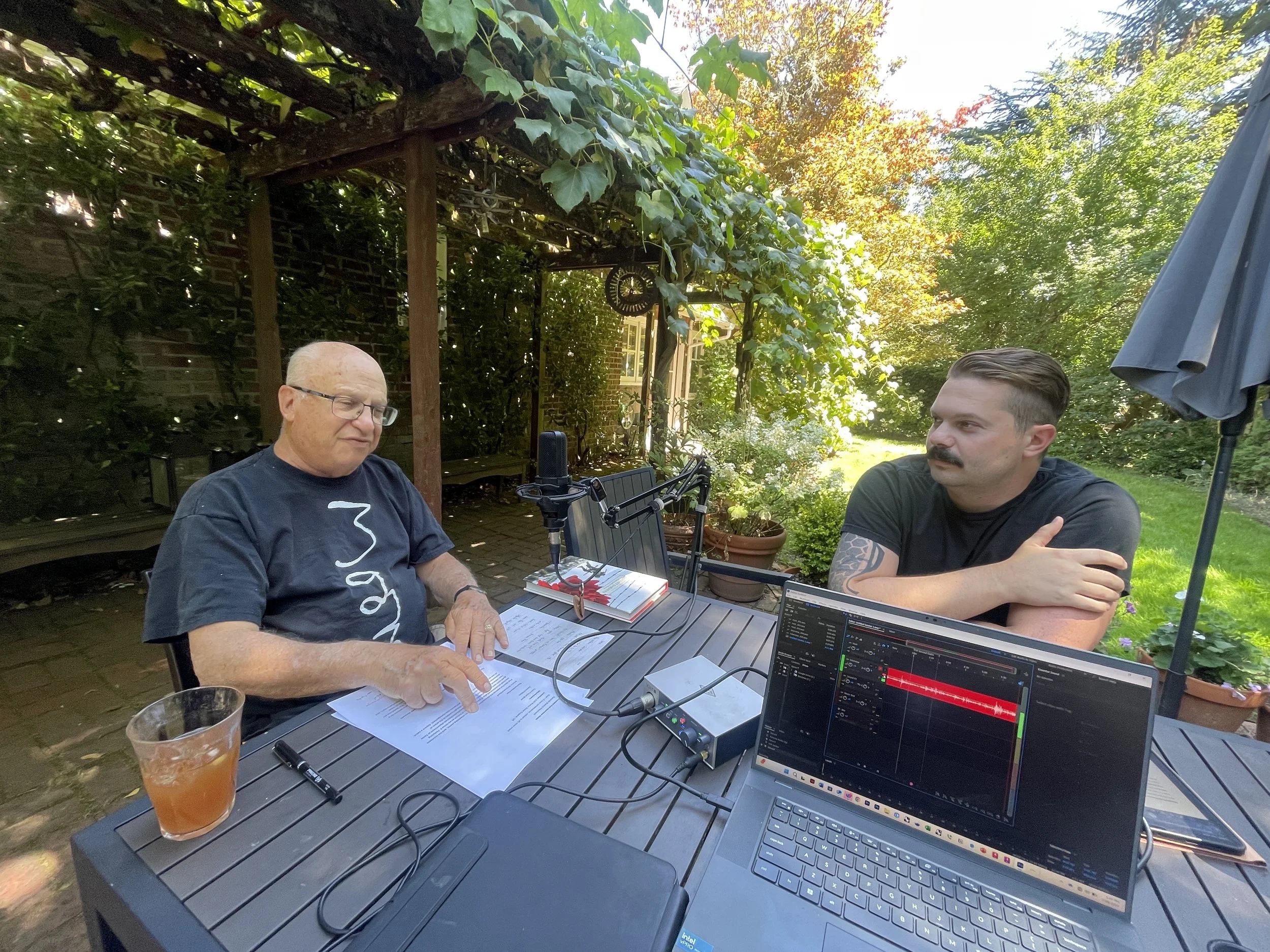
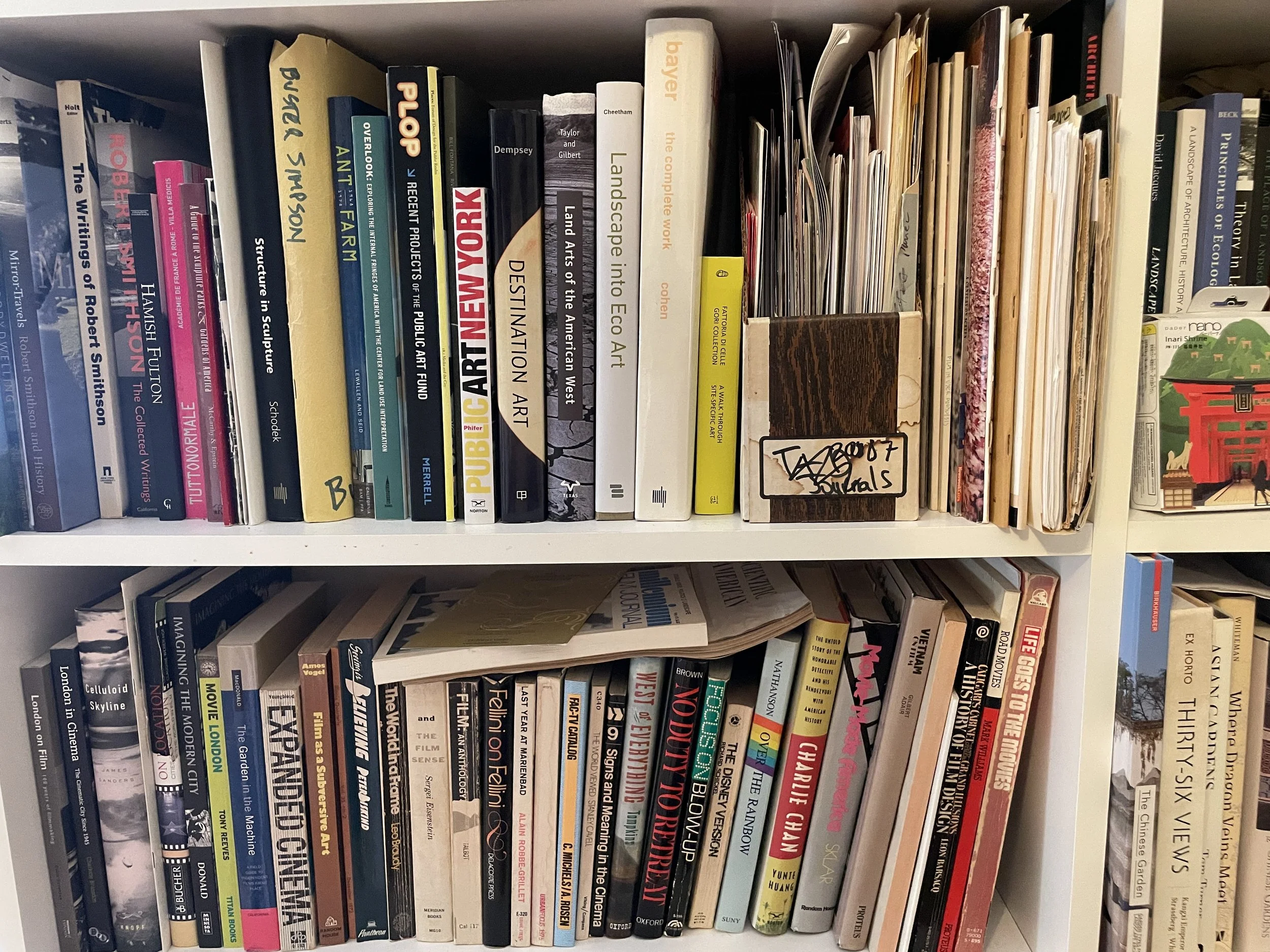
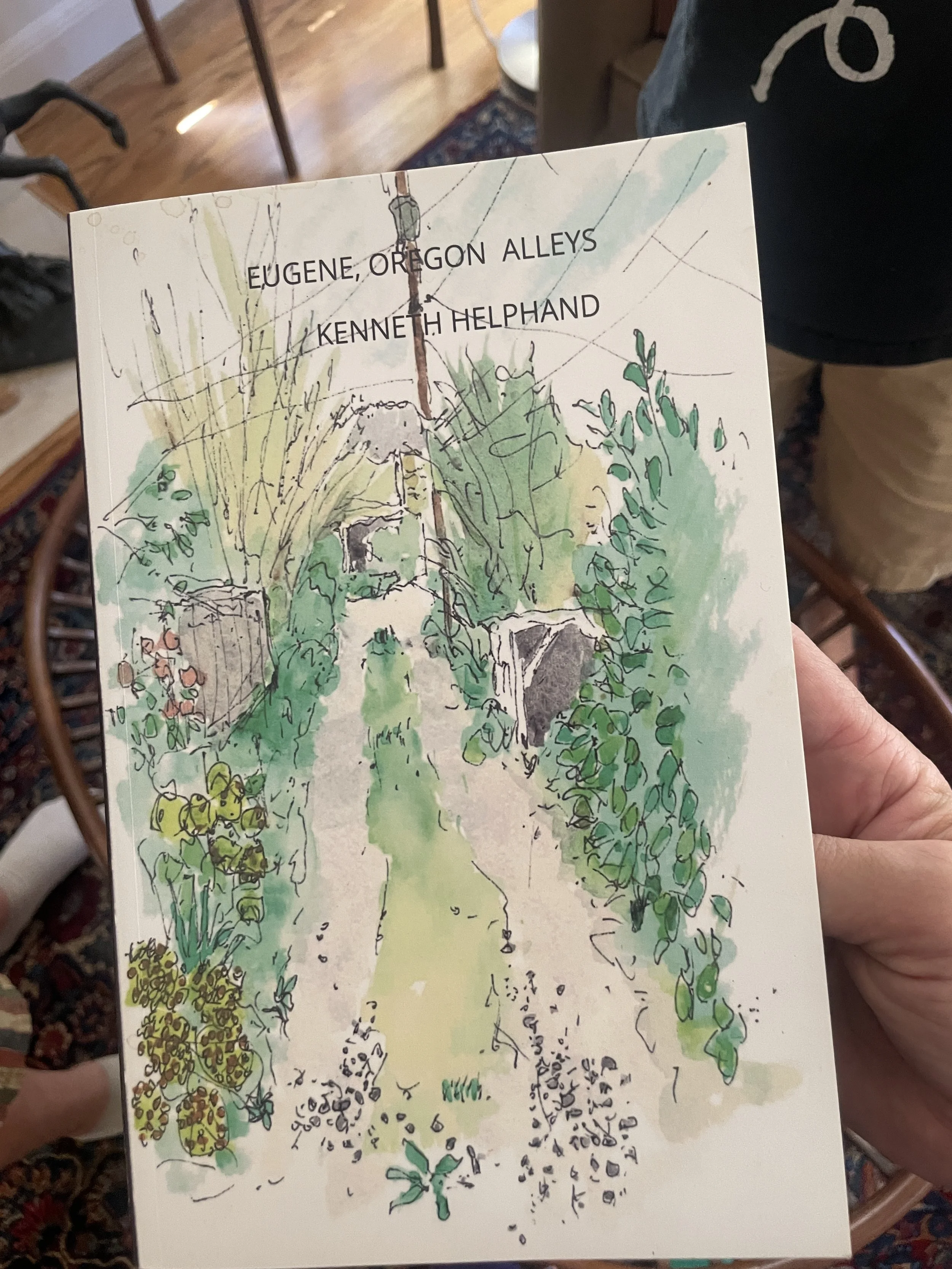
Join us for a captivating episode (produced by UofO MLA student Clark Frauenglass) exploring the profound connections between historical acts of resilience and today's urban ecologies. Acclaimed scholar Kenneth Helphand delves into his seminal work, Defiant Gardens , revealing how the act of gardening in extreme wartime conditions—from trenches and ghettos to POW camps—served as a powerful assertion of life, resistance, and healing amidst destruction.
This thought-provoking conversation bridges the urgency and improvisation of these defiant gardens with the spontaneous emergence of novel ecosystems in contemporary cities, prompting us to consider how neglected spaces like rubble and vacant lots take on unexpected ecological and emotional significance. We'll challenge perceptions of urban 'weeds' and disorder, reframing aesthetics to find meaning in the margins and uncovering how lessons from these extraordinary circumstances can inspire a "post-wild" approach to design, fostering new narratives around the overlooked plants and places of our urbanizing planet.
Episode Thumbnail: A kitchen garden trench in Flanders © Collection Philippe Clément/Getty Images
ep05: SPROUT IT FROM THE ROOFTOPS: UMME HAQUE AND PROFESSOR BRUCE DVORAK
In this episode, MLA candidate Umme Haque sits down with Professor Bruce Dvorak (Texas A &M University) to discuss his adventures in Green Roofs. This includes his months-long RV road trip through the western US, observing the green roof phenomenon, and his observations on the plants (both native and otherwise) that call them home.
Bruce Dvorak focuses on sustainable architecture, and green roof technology in particular. A green roof is a vegetated roof or deck designed to provide urban greening for buildings, people, or the environment. Green roofs are constructed from layers of materials such as waterproofing, root protection, drainage, growing media and plants. Research about how green roofs can be applied across North American ecoregions is needed to understand not only their design and construction, but their benefits and maintenance needs as well. The Interdisciplinary Green Roof Research Group that he leads was established to better understand the application of green roofs to central Texas. Green roof technology evolved in Europe to mitigate ecological stresses from urban development such as flooding, urban heat islands, air pollution, and prevention of drought. In North America, green roof research is beginning to demonstrate similar benefits, however, research in southern US climates is lacking behind the northern US. He also led the creation of a living wall—a vegetated wall designed to achieve similar benefits of green roofs—at Texas A&M. Buy the Book: Ecoregional Green Roofs
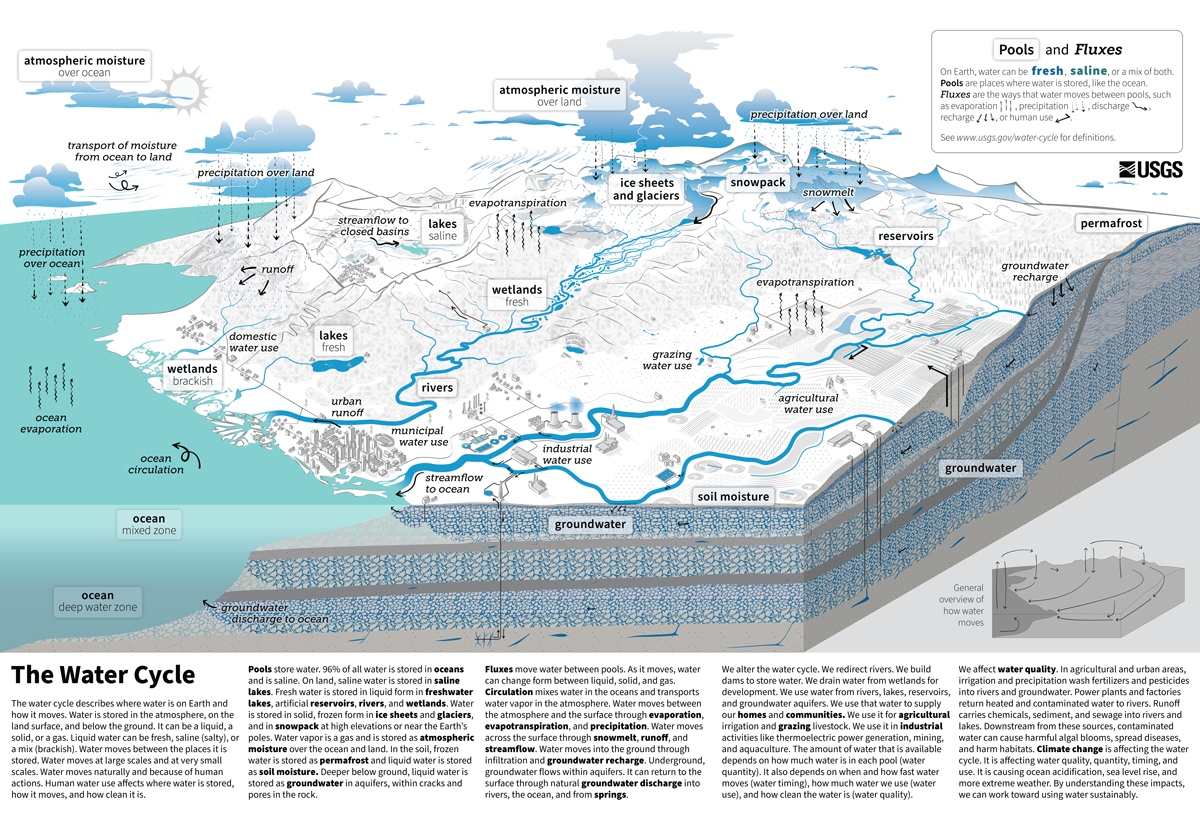
ep04: Drafting an inclusive hydrology
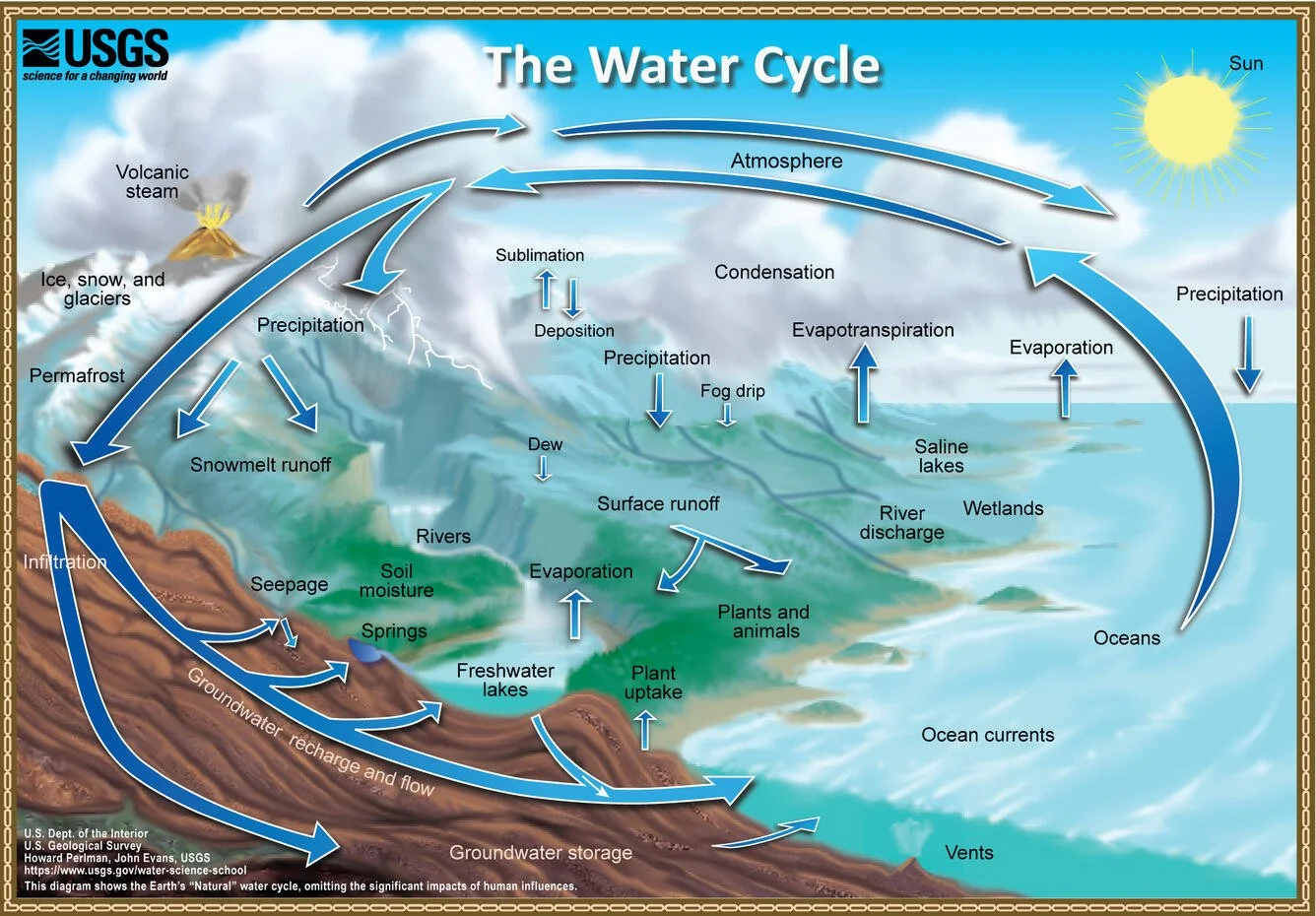
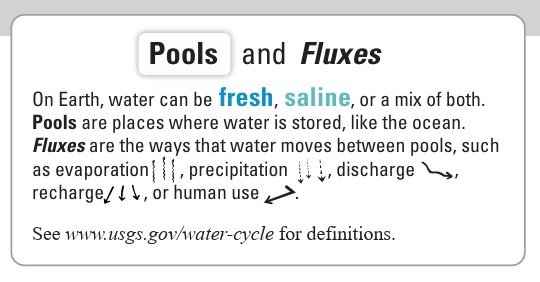
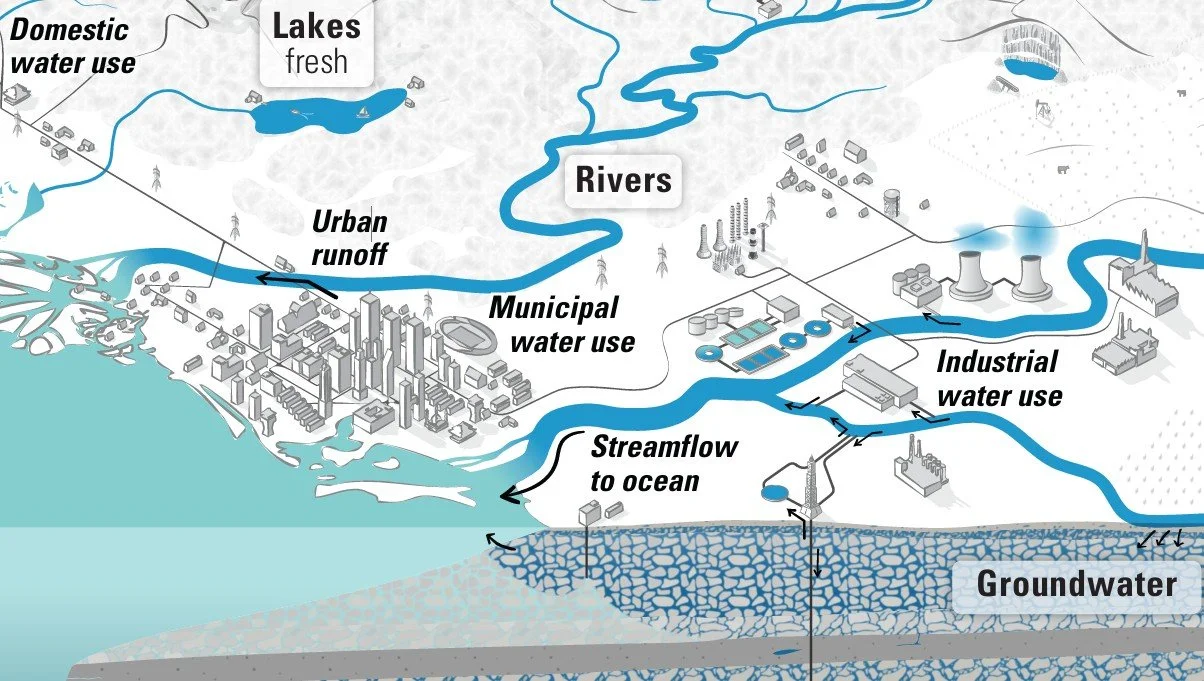
How do we imagine humans as an interwoven subject in something as complex as the global water cycle? How do we communicate the science to the broader public? Daniel Phillips discusses the reimagined USGS water cycle diagram with two of its creators.
Rachel Bryan is a usability specialist for the USGS Water Mission Area. She is responsible for implementing a user-centered design strategy for the design and development of Water public-delivery products, including Water Data for the Nation. She is actively involved in conducting user research and usability testing to ensure the products are discoverable, accessible, and usable for everyone. Rachel lives in Minneapolis, MN with her family.
Haley Corson-Dosch is a data scientist for the USGS Water Mission Area. Her background is in water resources science, data science, and cartography. Hayley is a member of the USGS Vizlab, a data visualization team that creates data visualizations for non-technical audiences that highlight and communicate USGS data. Hayley develops open-source, reproducible code workflows to process and visualize water data as well as public-facing data visualization websites. Hayley lives in Madison, WI.
Check out the visualization (and download high res):
https://www.usgs.gov/media/images/water-cycle-png
Interactive Pools and Fluxes Online Visualization Tool
https://labs.waterdata.usgs.gov/visualizations/pools-and-fluxes/index.html#/
Get a free water cycle poster here:
ep03: The Vicissitudes of Human Settlement
TTU MLA student Moyin Akinbobola sits down with Nancy Mcintyre, a professor (and and a "curator of birds") in the department of Biological Sciences at Texas Tech University. She discusses the management implications for spontaneous urban vegetation, the need for conducting Long Term Ecological Research (LTER) in urban environments and strategies for promoting broader awareness and acceptance of Novel Ecosystems.
ep02: Jardins Exuberants! Emma Marris in (and on) Paris
TTU MLA student Garrett Farrow interviews pre-eminent "New Nature" writer Emma Marris. Marris reflects on how her thinking has evolved a decade after publishing "Rambunctious Garden", observes recent landscape trends in the heart of Paris, and wonders how we can work to remedy our collective climate crisis fatigue.
ep01: Ecological Trash or Freakological Treasure?
Danielle Craig discusses the meanings and potentials of "Novel Ecosystems" with Professor Carlos Santana, a philosopher of science (not the grammy-winning recording artist).
Additional links and resources:
coming soon…