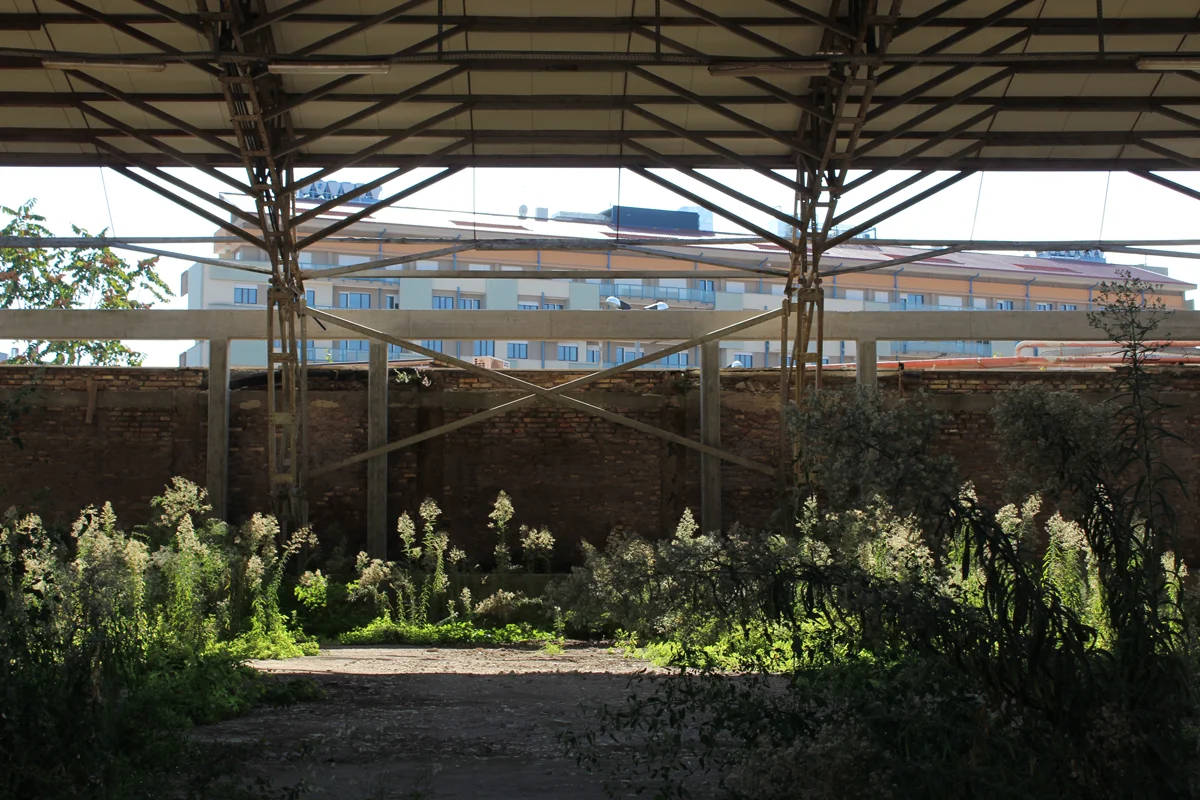
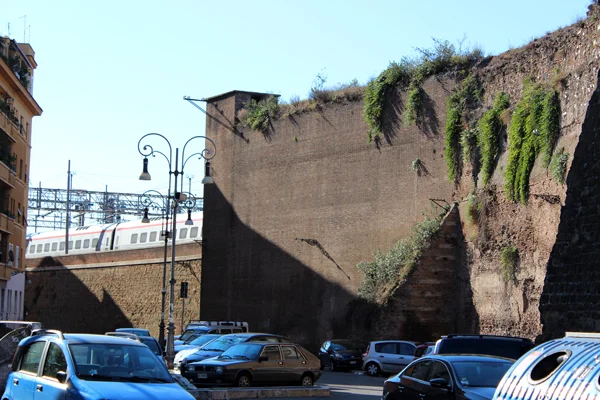
Throughout the last month, we’ve been exploring the topic of urban ecology from a few different perspectives. First, through the lens of our personal practice, we’ve introduced some of the challenges we’ve faced while developing projects and businesses at the intersection of ecological, economic, and social concerns. We’ve considered a historical perspective by contrasting American and European attitudes toward nature, cities, and wilderness. We’ve discussed the meaning, ethics and aesthetics of “ecological urbanism” through some exciting contemporary precedents. We’ll wrap up our BeWilder series this week with a few final ideas and questions.
Last week we explored some of the forces shaping our relationship to Nature. Or rather “nature”, the culturally constructed category that is often hard to pin down. These shared ideas about what nature is (and isn’t) are important because they tend to actively shape the way we think about and interact with the world around us. Can we look at nature in new ways? Is it possible to build new narratives and new frameworks for understanding and relating to the planet we inhabit? This week we'll attempt to break down some of the tidy categories that limit our thinking, and explore some interesting cases for urban ecology.
(Click to continue reading)
The American mind has a particular soft spot for the general category we label as "Nature." Walk through the aisles of any grocery store as evidence. Muted pastel color pallets of greens and browns, faux burlap graphic texturing, distressed typefaces that appear hand stamped, a litany of promises, slogans and certifications. The message is clear- that the natural, or at least the appearance of it, is always synonymous with the good. There's even a "natural" version of Cheetos available for the more discriminating junk foodies among us. In short, we've become rather sentimental, but it's not all our fault. (Click to continue reading)
Throughout the development of self-initiated projects like Greenaid, we have often found ourselves grappling with questions that extend far beyond the boundaries of our creative practice. By helping to promote and empower the unsanctioned planting of native seeds in underutilized urban landscapes, one of the most frequent questions we were asked concerned the particular composition of our seedbombs. What species did we include? Where and how did we source our seeds? How did we ensure that whatever was being planted was appropriate? The more earnestly we tried to answer these questions for ourselves and others, the more we realized that we’d wandered into a much bigger, and at times heated debate about the very nature of nature itself. And it’s kept us thinking ever since.
Are you an Angeleno interested in urban ecology and citizen science? Want to better understand the distribution and uses for local vegetation in your neighborhood? Join us for a project that uses your smartphone to track and understand opportunistic plant species across LA.
Working with teachers from LAUSD schools to deploy design thinking in under-served communities.
It's always hard to write a first post, so we'll keep this one short. Welcome to the Commonstudio blog. We are starting this because we think it's important for designers to share more than just the surface details, tidy narratives, and final outcomes of their work. We also think of this blog as a place for original content, ongoing updates on our projects and process, as well as a place to highlight inspiring bits and pieces we come across in our work along the way. We're looking forward to seeing where it takes us. Please feel free to comment, question, re-post, or just ingest it at random.
All the best,
Danny & Kim